
Appliance cleaning in Saskatoon is the targeted deep cleaning of refrigerators, ovens, dishwashers, washers, dryers, and range hoods to remove grease, scale, lint, and odors. Done right, it restores performance, supports food safety, and extends useful life. HAARSH KLEAN provides appliance cleaning Saskatoon families rely on—flexible evenings/weekends, all supplies provided, and a satisfaction guarantee.
By Harsh Kewlani — Founder, HAARSH KLEAN
Last updated: 2026-05-09
Summary
Appliance cleaning removes hidden buildup from coils, gaskets, filters, and vents so your machines run faster, quieter, and safer. In Saskatoon homes, pairing monthly upkeep with seasonal deep cleans protects indoor air, food freshness, and energy efficiency—especially during long indoor months.
- Clear definition of appliance cleaning plus why it matters for Saskatoon households
- Step-by-step methods for fridges, ovens, dishwashers, washers, dryers, and hoods
- Best practices and maintenance cadences you can actually follow
- Tools we use (we bring everything, with eco-friendly options)
- Real local examples from HAARSH KLEAN appliance resets
What is appliance cleaning?
Appliance cleaning is a focused, inside-out deep clean for key kitchen and laundry machines. It targets biofilm, grease, mineral scale, and lint in hard-to-reach parts—filters, coils, gaskets, spray arms, and vents—to restore efficiency, eliminate odors, and extend service life.
Unlike a surface wipe, professional appliance cleaning disassembles safe-to-remove parts and works on the components that actually drive performance. That means brushing refrigerator coils, flushing dishwasher spray arms, clearing dryer vent paths, and degreasing range hood filters without scratching finishes.
- Refrigerators: Shelves, bins, door gaskets, condenser coils, and the drip pan
- Ovens & ranges: Racks, door glass, fan cover, burner grates/caps, and control knobs
- Dishwashers: Filter basket, spray arms, door seals, drain area, and interior descaling
- Washers: Rubber gasket, detergent drawer, drum, and drain trap (if accessible)
- Dryers: Lint screen, moisture sensors, vent path, and the floor space behind the unit
- Range hoods: Grease filters (baffle/mesh), hood interior, and fan housing
For Saskatoon homeowners—busy families, condo dwellers, seniors, and rental property owners—this level of detail is the difference between a kitchen that looks clean and a kitchen that stays clean. Odor sources are neutralized, cycles speed up, and energy-hungry parts don’t have to work as hard.
Why appliance cleaning matters in Saskatoon homes
Clean appliances safeguard food, air, and safety. Grease, scale, and lint restrict airflow and insulate heat, leading to longer run times, stale smells, and potential hazards. In Saskatoon’s colder seasons, indoor air depends on hoods and dryers working at full airflow.
Here’s the thing: when coils are dusty or vents clogged, appliances work harder and hotter. Refrigerators may run longer to hold temperature, ovens may smoke and smell, and dryers may overheat while still leaving clothes damp. Regular appliance cleaning shortens run times, improves consistency, and reduces unnecessary wear.
- Food safety: Refrigerator bins and drip pans can harbor spills; sanitation helps keep food at safer temps.
- Indoor air: Range hoods capture grease aerosols; clean filters keep air fresher during long indoor months.
- Fire risk: Lint accumulations increase dryer temperatures; clear vent paths lower risk and stabilize drying.
- Energy use: Clean coils and filters improve heat exchange and airflow, reducing run time minutes per cycle.
Local considerations for Saskatoon
- Closed-window winters concentrate cooking odors. Keep range hood filters and oven cavities degreased to reduce lingering smells.
- Spring melt and summer humidity can fuel washer gasket mold. Plan monthly gasket wipes and hot drum maintenance cycles.
- Holiday hosting pushes fridges and dishwashers hard. Schedule coil brushing and filter cleaning ahead of gatherings.
How professional appliance cleaning works
Our process protects finishes, cleans critical internals, and verifies results. We assess, disassemble what’s safe, degrease and descale, sanitize food-contact areas, reassemble, and test. You get quieter operation, faster cycles, fresher odors, and documented care.
- Assessment and protection: Review function, unplug or shut off supplies, protect floors and counters.
- Safe disassembly: Remove racks, bins, filters, spray arms, drawers, and accessible covers.
- Targeted cleaning: Degrease, descale, and sanitize; flush lines and drains; brush coils and sensors.
- Reassembly and test: Refit components, run verification cycles, listen for noise, check for leaks.
- Finish and tips: Polish exteriors, neutralize odors, and leave a simple maintenance plan.
| Appliance | Critical focus areas | Service cadence |
|---|---|---|
| Refrigerator | Condenser coils, gaskets, bins, drip pan | Every 3–6 months |
| Oven | Racks, door glass, fan cover | Every 3–6 months |
| Dishwasher | Filter, spray arms, drain | Every 1–3 months |
| Washer | Gasket, detergent drawer, drum | Monthly (high use) |
| Dryer | Lint screen, vent path, sensors | Every 3 months |
| Range hood | Grease filters, hood housing | Monthly (heavy cooking) |
For move-in/move-out projects or between-tenant resets, we often bundle appliance cleaning with whole-home deep cleaning, so kitchens and laundry rooms are restored together in a single visit.

Types, methods, and approaches by appliance
Match the method to the machine: degrease ovens and hoods, descale and deodorize dishwashers, brush and vacuum fridge coils, remove washer biofilm, and clear dryer vent paths. Using the right tools prevents scratches and restores factory-fresh function.
Refrigerator
- Reset the interior: Empty perishables. Remove and sink-wash shelves/bins with food-safe cleaner.
- Boost efficiency: Brush/vacuum condenser coils; a clean coil runs cooler and shortens compressor cycles.
- Stop odor at the source: Treat drip pan, sanitize gaskets/handles, and dry thoroughly.
- Pro tip: Keep a 2–3 inch gap behind the fridge to improve airflow across coils.
Oven and stove
- Non-caustic degreasing: Apply a safe degreaser; soak racks separately to lift carbon without scratching enamel.
- Crystal-clear glass: Clean door glass and the fan cover; check door seal integrity to hold heat better.
- Burner care: Degrease grates and burner caps; avoid abrasive pads on stainless and glass.
- Deep-dive resource: See this oven deep cleaning methods overview for additional step sequences.
Dishwasher
- Filter first: Remove and scrub the filter; a clean filter reduces grit redeposit and smell.
- Unblock spray arms: Flush jets to restore pressure and spray pattern across racks.
- Descale and deodorize: Mineral scale and biofilm need periodic treatment for a fresh interior.
- Extra reading: Review these dishwasher care tips for simple monthly routines.
Washer
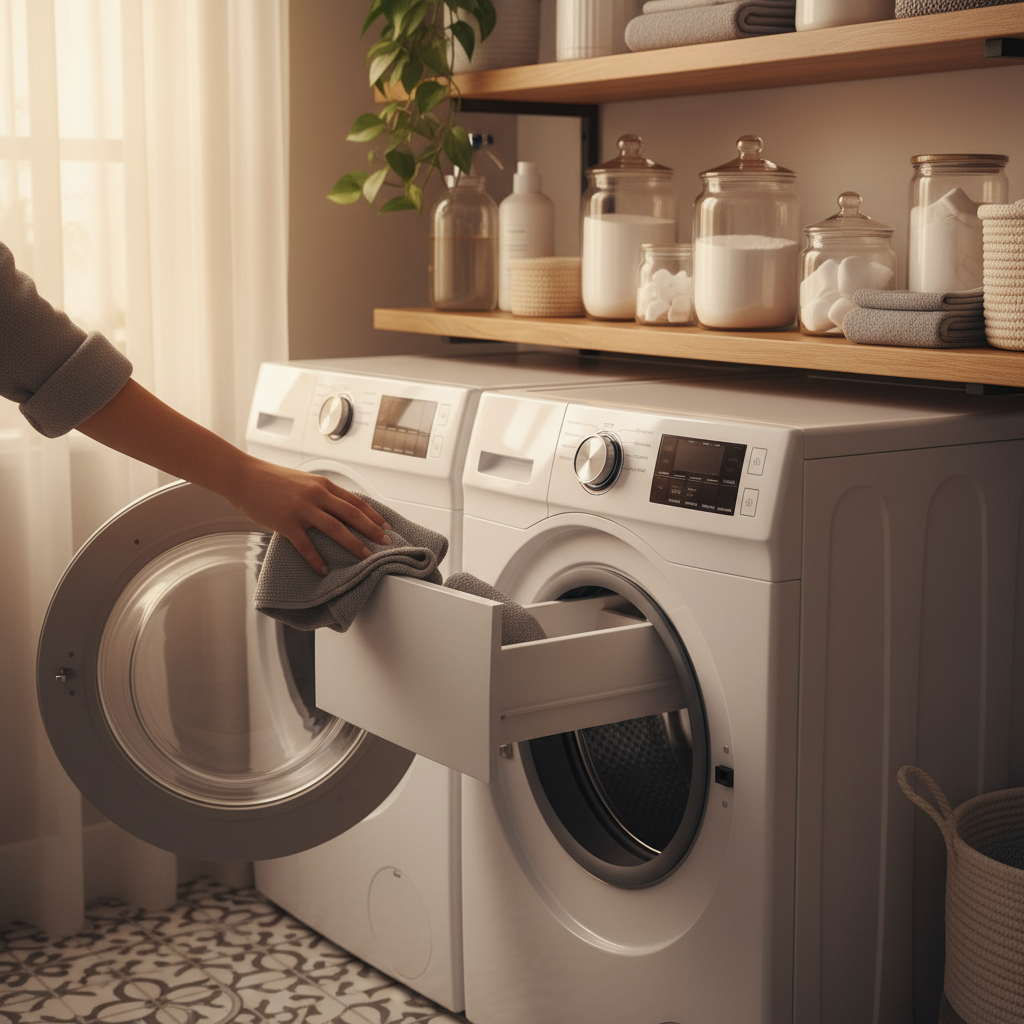
- Gasket hygiene: Wipe the rubber seal and door glass; pull and clean the detergent drawer.
- Hot maintenance cycle: Run a monthly cycle with an approved cleaner to break down biofilm.
- Dry to prevent odor: Leave the door ajar after loads; moisture control is your best defense.
Dryer
- Clean the screen every load: Lint restricts airflow and extends dry times.
- Wipe moisture sensors: Film buildup causes cycles to overrun or stop early; gentle cleaning helps accuracy.
- Vent path check: Inspect and clear the vent; improved airflow stabilizes temperatures and shortens cycles.
Range hood
- Degrease baffles/mesh: Soak and rinse; re-install fully dry to avoid drips on cooktops.
- Verify capture: Clean the fan housing and check airflow. Replace filters when saturated.
- Learn the basics: This kitchen hood cleaning guide explains filter importance and airflow principles.
Appliance cleaning in Saskatoon: best practices
Adopt a simple cadence: monthly interior touch-ups, quarterly kitchen deep cleans, and seasonal coil/vent service. Prioritize dryer vents and hood filters in winter, and washer gasket care in humid months. Use microfiber, non-abrasive pads, and food-safe cleaners.
- Set reminders: Pair coil brushing and filter rinses with seasonal chores (spring/fall).
- Protect finishes: Microfiber + non-scratch pads prevent swirls on stainless and glass.
- Airflow first: Keep vents, filters, and fans clear. Most performance issues start with restricted air.
- Moisture control: Dry gaskets and bins completely; leave washer doors ajar after use.
- Odor defense: Descale dishwashers quarterly; clean fridge drip pans and bin tracks.
- Track service: Note dates. Rentals and warranties benefit from clear maintenance records.
We bundle appliance cleaning with whole-home deep cleans, window cleaning, and move-in/move-out services so your kitchen, laundry, and living spaces are reset together—one visit, one trusted cleaner, and a 100% satisfaction guarantee.
Tools and resources: DIY vs pro
DIY handles light upkeep—wipe gaskets, rinse filters, run maintenance cycles. Pros tackle heavy grease, scale, and lint safely with the right disassembly and tools. HAARSH KLEAN brings everything, including eco-friendly products, and finishes the job in a single scheduled visit.
- DIY essentials: Microfiber cloths, soft brushes, a non-abrasive cleaner, white vinegar, and baking soda.
- Pro-only tasks: Deep descaling, coil brushing, vent-path clearing, sensor detailing, and full odor resets.
- Time saved: Homeowners often spend several sessions; a pro completes the reset in one appointment.
- Peace of mind: Same cleaner every time, flexible evenings/weekends, and a make-it-right policy.
If you’d like more background on degreasing sequences and safety steps, this overview of oven deep cleaning methods shows how pros break down stubborn residues without damaging surfaces.
Case studies and real examples
Our local resets remove stubborn odors, restore airflow, and cut cycle times. When we bundle fridge, oven, and dishwasher service with a deep clean, kitchens feel brand-new the same day—ideal for busy families, seniors, and landlords between tenants.
Apartment move-out reset
- Refrigerator: Sanitized shelves/bins, coils brushed, and drip pan treated—stale odors gone before showings.
- Oven: Non-caustic degrease with rack soak; door glass restored for a bright, clean look.
- Dishwasher: Filter cleaned and spray arms cleared; wash coverage and drying improved.
Busy family home
- Front-load washer: Gasket mold removed, detergent drawer cleaned, and a hot maintenance cycle run.
- Dryer: Lint and sensor cleaning stabilized temperatures and made drying times consistent.
- Range hood: Baffles degreased and fan housing cleaned; quieter fan and better capture.
Between-tenant deep clean
- Kitchen trio: Fridge, oven, and dishwasher reset in one visit, synchronized with a whole-home deep clean.
- Inspection-friendly details: Documented coil brushing and filter cleaning reassure prospective renters.
- Odor neutralization: Food and smoke odors addressed at the source for a fresher first impression.
Need a hand? Add appliance cleaning to your next whole-home deep clean, window cleaning, or move-in/move-out service. We bring all supplies, work evenings/weekends, and back results with our satisfaction guarantee.
Frequently Asked Questions
Use these quick answers to decide what to handle yourself and when to call us for a professional reset. When in doubt, priority goes to airflow, moisture control, and food-contact safety.
How often should I clean refrigerator coils?
Every 3–6 months for most homes. Pet hair and busy kitchens may need more frequent care. Clean coils shorten compressor run time and help your fridge maintain a consistent, food-safe temperature, especially when doors are opened frequently.
What’s the safest way to remove oven grease?
Use a non-caustic degreaser with non-scratch pads. Soak racks separately, avoid abrasives on enamel or stainless, and rinse completely. For heavy carbon buildup, pro tools lift residue without scratching or damaging door seals and fan covers.
Why does my front-load washer smell musty?
Moisture and detergent residue allow biofilm to form in the gasket and detergent drawer. Wipe seals, pull and clean the drawer, and run a hot maintenance cycle monthly. Leaving the door ajar after use helps the drum dry and reduces odors.
Is professional dryer cleaning really necessary?
Yes. Lint accumulations restrict airflow and can cause overheating. Cleaning the lint screen every load helps, but periodic vent-path inspection and lint removal improve safety and stabilize drying times. Include moisture sensors in your routine.
Can appliance cleaning be added to a deep clean?
Absolutely. We frequently bundle appliance cleaning with whole-home deep cleaning, window cleaning, or move-in/move-out service so kitchens and laundry rooms are reset together. It saves time and delivers a fresher, cleaner home in one visit.
Key takeaways
Prioritize airflow, moisture control, and safe food-contact surfaces. Combine monthly touch-ups with seasonal deep cleaning, and call a pro when odors persist, cycles slow, or airflow drops. Quicker cycles and fresher rooms are your proof.
- Monthly light upkeep + quarterly deep cleaning fits most Saskatoon homes.
- Coils, filters, vents, and gaskets drive performance—don’t skip them.
- Dryer and range hood airflow are safety priorities year-round.
- Professional service is fastest for heavy grease, scale, or persistent odors.
Conclusion
Appliance cleaning keeps Saskatoon homes healthier and appliances running their best. Short on time—or stuck with stubborn odors? Book HAARSH KLEAN. We work on your schedule, bring all supplies, and back everything with a satisfaction guarantee.
Ready for a reset? Pair appliance cleaning with recurring maintenance for an easy routine. Evenings and weekends are available, and we respond within 24 hours—so your kitchen and laundry feel fresh again, fast.
HAARSH KLEAN
Need help keeping your home clean?
Book professional residential cleaning in Saskatoon and surrounding areas. Same cleaner, personal service, and a clean home you can actually enjoy.
Get Free Quote