Bathroom sanitizing is the focused reduction of germs on bathroom surfaces to safer levels using approved products and contact times. This bathroom sanitizing guide gives Saskatoon households a clear, step-by-step routine aligned to HAARSH KLEAN’s proven methods so you know what to do weekly, what to do monthly, and when to call in a deep cleaning.
By Harsh Kewlani · Founder, HAARSH KLEAN
Last updated: 2026-05-09
At a Glance: Summary
Sanitize bathrooms by first cleaning visible soil, then applying a labeled disinfectant with the correct contact time, and finishing with targeted high-touch wipe-downs. Prioritize faucets, flush levers, handles, and counters. Ventilate for 10 minutes, wear gloves, and use color-coded microfiber to avoid cross-contamination.
Here’s the thing—most bathrooms don’t need complicated routines. They need a consistent, simple flow that’s easy to repeat and hard to mess up.
- Core flow: Declutter → Clean → Sanitize/Disinfect → Rinse if label says → Dry → Final touches.
- High-touch focus (8+ points): Faucets, flush lever, door handle, light switch, vanity pulls, shower controls, toilet seat/lid, soap dispensers.
- Weekly time budget: 25–40 minutes for a typical family bathroom when you stick to a set sequence.
- Monthly deep targets: Grout lines, shower tracks, exhaust fan cover, under sink, behind toilet base.
- When to call us: After illness, move-in/move-out, heavy limescale, or if mold keeps returning.
What Is Bathroom Sanitizing?
Bathroom sanitizing reduces germs on bathroom surfaces to safer levels after cleaning. It’s different from cleaning (removing soil) and disinfecting (killing nearly all listed germs). Sanitizing targets high-risk areas with the right product, dwell time, and method to break germ transfer between hands and surfaces.
Let’s define the terms so you choose the right step for the job.
| Process | Goal | Typical Use | Key Detail |
|---|---|---|---|
| Cleaning | Remove dirt, soap scum, and debris | All visible surfaces before sanitizing/disinfecting | Soap + water or all-purpose cleaner; physical agitation |
| Sanitizing | Reduce germs to safer levels | High-touch points on routine days | Shorter contact times; check label instructions |
| Disinfecting | Kill listed germs on hard, nonporous surfaces | Toilet area, sink, after illness | Contact times commonly 1–10 minutes (per label) |
In our experience with Saskatoon homes, aligning tasks to these definitions prevents overusing harsh chemicals and keeps weekly routines quick. You’ll use milder methods most days and reserve heavy-duty disinfection for targeted zones or special events (like flu season or move-out days).
Why Bathroom Sanitizing Matters
Sanitizing matters because bathrooms concentrate moisture, touchpoints, and bio-load. A consistent routine breaks the hand-to-surface cycle that spreads germs. The result is fewer sick-day disruptions, less odor, and surfaces that stay cleaner between deep cleans.
Bathrooms are small rooms with big traffic. Multiple family members touch the same faucet, flush lever, and light switch daily. Moisture amplifies issues by letting grime adhere to surfaces faster. The payoff for a good routine is real: cleaner-looking fixtures, better-smelling spaces, and less time scrubbing on weekends.
- Hygiene impact: Targeted sanitizing lowers the germ transfer risk on 8–12 common touchpoints.
- Odor control: Regular bowl, drain, and overflow care reduces lingering smells that build up within 1–2 weeks.
- Surface longevity: Mineral deposits and soap scum can etch finishes over months; the right cadence preserves shine.
- Energy saved: Little-and-often beats marathon scrubs—10–15 minutes between deep cleans can save an hour later.
For Saskatoon renters, owners, and landlords, this also ties to health and move-in standards. When HAARSH KLEAN performs move-in/move-out cleaning, our bathroom process follows a defined order so nothing is missed, especially around the toilet base, hinges, and shower tracks.
How Bathroom Sanitizing Works
Sanitizing works by first removing soil, then applying a product that needs a set dwell time to be effective. The product contacts the surface for the full time, then is wiped or rinsed per label. Ventilation, microfiber technique, and clean-to-dirty sequencing make the process efficient and safe.
There are three pillars that make the process reliable—regardless of brand: preparation, contact time, and technique.
Preparation: Set the stage in 3–5 minutes
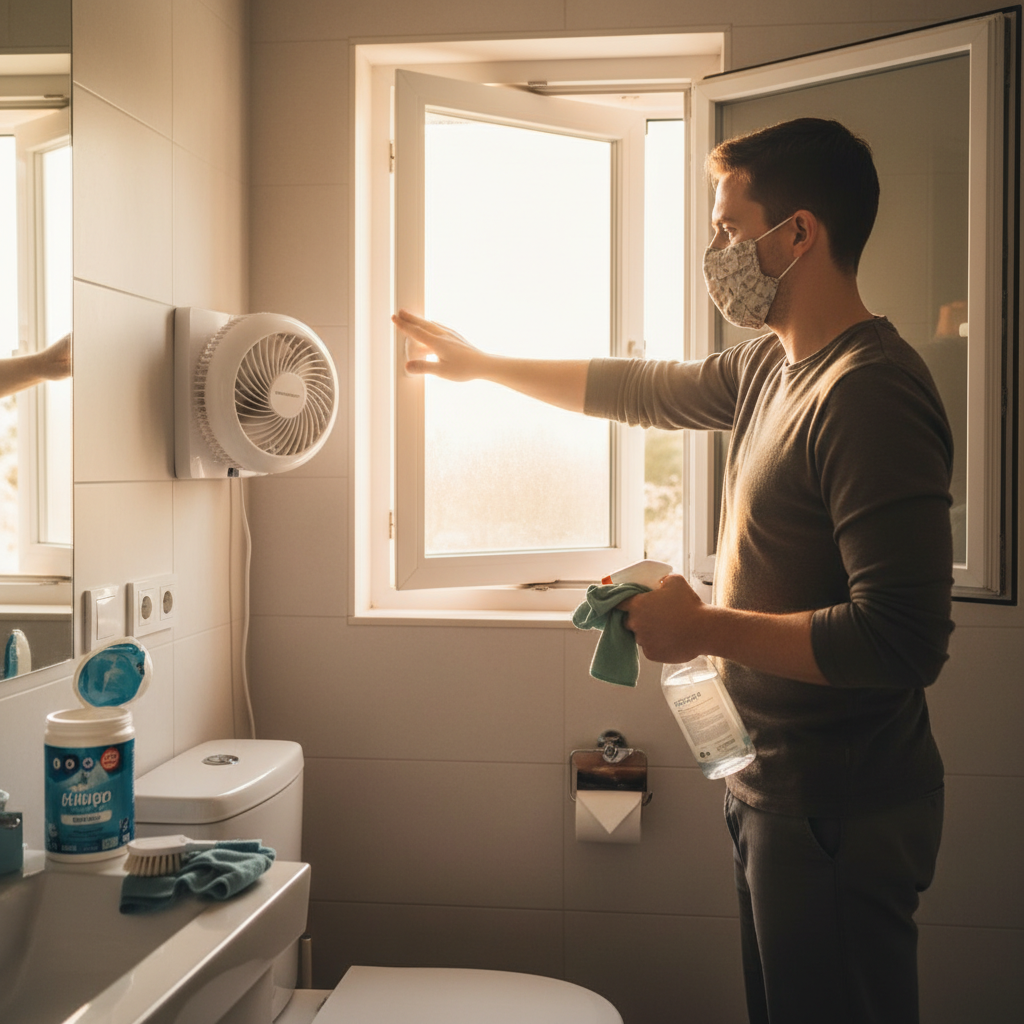
- Open a window or run the exhaust fan for at least 10 minutes to clear humidity.
- Put on gloves; if aerosols bother you, consider a simple mask.
- Declutter counters; toss empty toiletries; place linens away from spray zones.
- Dry dust first: light fixtures, vents, and baseboards collect debris that turns to sludge when wet.
Contact time: Let chemistry do the work
- Read the back label. Most products list a contact time (often 1–10 minutes).
- Keep surfaces visibly wet the whole time; re-wet if it starts to dry early.
- Rinse if required on food-contact or skin-contact items (toothbrush holders, cups).
Technique: Wipe smarter, not harder
- Use S-pattern wipes from the cleanest area to the dirtiest to avoid re-depositing soil.
- Color-code microfiber (e.g., red for toilet zone, blue for sink/counter) to prevent cross-contamination.
- Change cloths frequently—one cloth can clean roughly 25–35 square feet before it’s saturated.
We’ve found that respecting contact time is the single biggest difference between an okay result and a great one. When families in Saskatoon adopt a visible timer habit, they report noticeably fresher bathrooms between services.
Your Bathroom Sanitizing Guide: Step-by-Step
Follow this step-by-step bathroom sanitizing guide: ventilate, declutter, clean soil, apply disinfectant with full contact time, wipe high-touch points, rinse where required, and finish with floors. Use color-coded cloths, a toilet-only brush, and gloves for safety.
- Ventilate and gear up (1 minute): Start the fan, crack the window, put on gloves, and set a 10-minute ventilation timer.
- Declutter and dry dust (3 minutes): Clear counters, dust light fixtures, vents, and baseboards.
- Pre-treat the toilet bowl (1 minute + dwell): Apply bowl cleaner under the rim; let stand until step 9.
- Clean the sink and counter (4–6 minutes): Remove paste, hair, and toothpaste spatter with an all-purpose cleaner and non-scratch pad.
- Shower and tub (6–8 minutes): Pre-spray walls and glass; agitate soap scum; pay attention to grout lines and shower door tracks.
- High-touch sanitize (3–4 minutes): Apply your sanitizer/disinfectant to faucet handles, flush lever, door handle, vanity pulls, light switch, and soap pumps. Keep surfaces wet for full label time.
- Toilet exterior (2–3 minutes): With a toilet-only cloth (red), sanitize the tank top, handle, lid, seat (top and underside), and base. Work clean-to-dirty.
- Toilet bowl (1–2 minutes): Scrub with a dedicated brush; close the lid before flushing to reduce droplets.
- Rinse/dry where required (2–3 minutes): Rinse any surfaces labeled to be rinsed after disinfection (e.g., kids’ step stools). Dry chrome to prevent spots.
- Floors last (4–6 minutes): Vacuum edges and mop from far corner to door using a fresh, lightly damp microfiber pad.
Tip: If you split tasks, do sink/counter + high-touch points on weekday evenings (10–12 minutes) and leave shower/tub + floors for the weekend. Families tell us this reduces weekend cleaning time by roughly one-third.
Types, Methods, and Approaches
Use a layered approach: routine sanitizing of touchpoints, targeted disinfection for toilets and after illness, and periodic deep cleaning for grout, shower tracks, and fan covers. Pair chemistry with agitation and time to get consistent results.
Routine days: Light and fast
- All-purpose cleaner for soil; a ready-to-use sanitizer for touchpoints.
- Microfiber mitt or cloth for speed; focus on 8–12 touchpoints.
- 2–3 cloths per bathroom: one for sink/counter, one for general touchpoints, one for toilet zone.
After illness or guest turnover
- Elevate to full disinfection on hard, nonporous surfaces.
- Extend contact times; keep surfaces visibly wet for the entire dwell time.
- Don’t forget secondary items: trash can lid, plunger/brush handle, cabinet pulls.
Periodic deep cleaning (every 4–6 weeks)
- Descale showerheads; soak in a removable container to dissolve mineral buildup.
- Detail grout with a soft-bristle brush; avoid metal brushes that scar grout lines.
- Remove and wash exhaust fan cover; clear lint buildup that slows airflow.
When HAARSH KLEAN performs deep cleaning or move-in/move-out service, we expand this list to include inside cabinet cleaning, baseboards, and under-sink areas. That’s how we return bathrooms to a “like-new” baseline before routine maintenance resumes.
Best Practices That Save Time (and Protect Surfaces)
Work top-to-bottom, clean-to-dirty, and dry-to-wet. Color-code microfiber to avoid cross-contamination. Respect contact times, rinse where labels require, and ventilate for 10 minutes. These habits cut rework, protect finishes, and keep bathrooms fresh between services.
Technique shortcuts that add up
- Two-bucket method: One for solution, one for rinse water. You’ll spread fewer soils and streaks.
- Chrome first, toilet last: Start with sink hardware; finish with the dirtiest zone to prevent recontamination.
- Edge vacuuming: A crevice pass around baseboards and the toilet base removes debris that mops push around.
Product and surface care
- Read labels: Some products require rinsing on skin-contact items; others are leave-on. Follow directions precisely.
- Non-scratch pads: Preserve glass and acrylic. Use soft tools and let dwell time do the heavy lifting.
- Microfiber laundry: Wash cloths hot, skip fabric softener (reduces absorbency), and air-dry or low heat.
Local considerations for Saskatoon
- Hard water is common. Plan quick descaling sessions for faucets and showerheads every 2–4 weeks to prevent spots and buildup.
- Winter dryness meets indoor humidity. Run the fan an extra 5–10 minutes after showers to curb mildew on grout and caulk.
- Busy family schedules. Split the routine across two days (weekday touchpoints, weekend shower/floors) to keep time manageable.
We tailor our approach to each home. Seniors often prefer gentler, fragrance-light products, while families with pets prioritize fast-drying floors and sealed trash setups.
Tools and Resources You’ll Need
Stock a simple kit: all-purpose cleaner, a bathroom-rated sanitizer or disinfectant, bowl cleaner, non-scratch pads, color-coded microfiber, gloves, and a toilet-only brush. Add a timer, exhaust fan, and a labeled caddy to keep everything together.
- Chemistry: All-purpose cleaner, bathroom sanitizer/disinfectant, bowl cleaner, and a mineral remover for limescale.
- Tools: Microfiber cloths (color-coded), non-scratch pads, crevice brush, toilet brush, squeegee, spray bottles.
- Safety: Nitrile gloves, eye protection for splashy jobs, and ventilation (window or fan).
- Organization: A portable caddy and a small laundry bag for used microfiber reduce setup time.
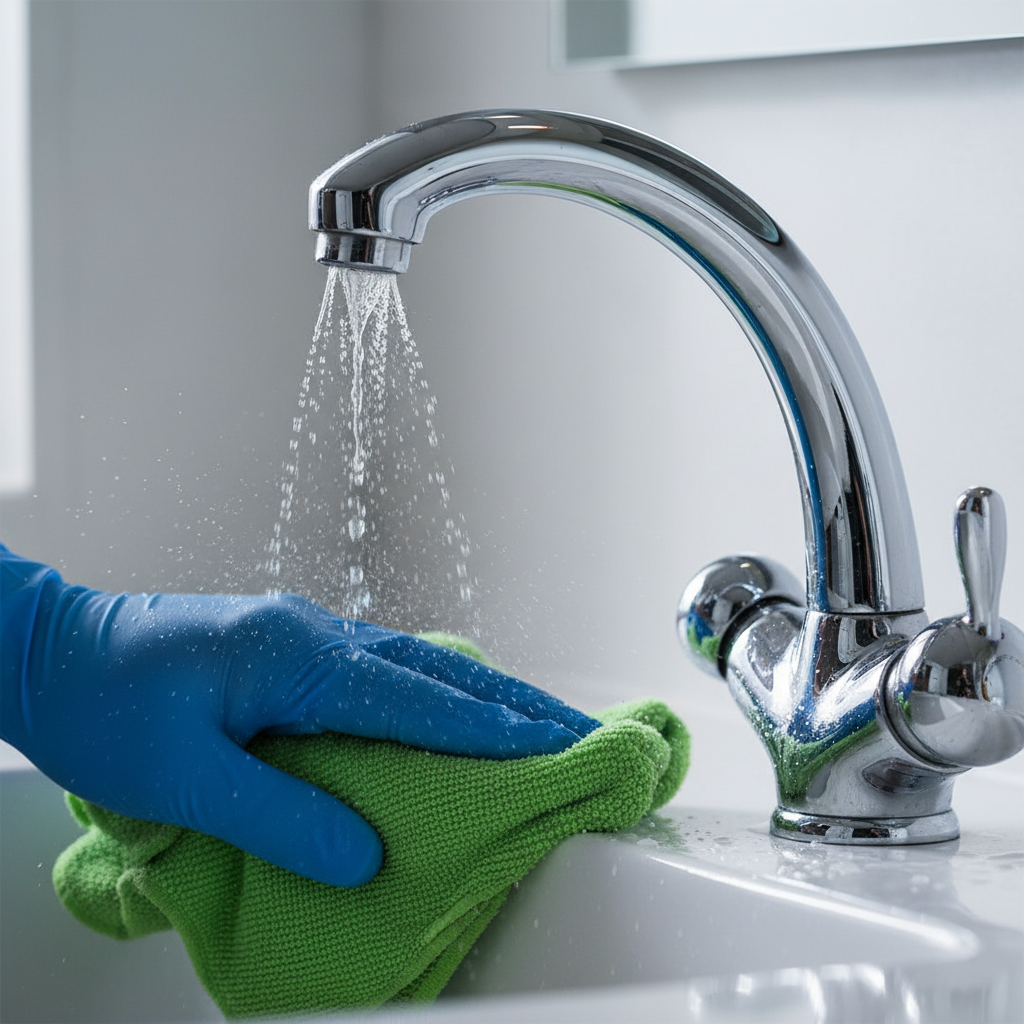
Want to see time-saving concepts that echo these tools? This practical piece on ways to clean a bathroom faster highlights sequencing and setup—two levers homeowners often overlook.
Safety, Ventilation, and Healthy Habits
Ventilate for at least 10 minutes, wear gloves, and never mix chemicals. Keep children and pets out until surfaces are dry. Label spray bottles and store products locked and upright. These habits prevent irritation and accidents.
- Never mix bleach with ammonia or acids: Mixing releases harmful gases.
- Label everything: If you decant products, include product name and dilution.
- Pet- and kid-aware: Sanitize after bedtime or school hours; dry floors before letting anyone in.
- Storage: Keep bottles upright and secure; avoid extreme temps that degrade solutions.
For a broader refresher on hazards to avoid while cleaning, this concise cleaning hazards guide outlines common missteps and prevention basics in plain language.
When to Call a Professional (And What We Do)
Call a pro when odors persist, mold returns quickly, hard water scaling resists normal methods, or you’re preparing for a move or guest turnover. HAARSH KLEAN brings deep cleaning, inside-cabinet and appliance care, and a consistent, checklist-driven process.
Here’s when we typically step in for Saskatoon households:
- Deep restoration: Returning a neglected bathroom to a clean baseline before routine upkeep resumes.
- Move-in/move-out: Full top-to-bottom care—fixtures, grout, shower tracks, inside cabinets, baseboards, and more.
- Recurring maintenance: Daily or weekly touchpoint sanitizing and full-bath refreshes that fit your schedule.
- Eco-forward requests: Product swaps to low-scent or eco-friendly options when families prefer them.
Because we provide all supplies and equipment and stand behind a 100% satisfaction guarantee, homeowners get consistent outcomes without keeping a closet full of chemicals. If something doesn’t meet your expectations, we make it right.
Case Studies and Real-World Examples
In Saskatoon homes, small habit shifts deliver big results: better ventilation, strict cloth color-coding, and timed contact periods. Across busy families, seniors’ residences, and rentals, these moves cut rework and keep bathrooms fresh between cleanings.
Busy family bathroom reset (weekly + monthly)
- Situation: Two kids, one shared bath, weekend soccer. Soap scum and fingerprints reappear fast.
- Approach: Weeknight 12-minute touchpoint round; weekend shower/floor block; descaling showerhead every 3 weeks.
- Outcome: Fewer Saturday scrubs, chrome stays bright, and odors reduced around the trash area.
Senior-friendly routine (gentle products, high safety)
- Situation: Preference for lighter scents and minimal residue; slip risk is a concern.
- Approach: Fragrance-light solutions, microfiber for quick dry, and extended fan time after showers.
- Outcome: Safe floors, clear air, and steady shine without harsh odors.
Rental turnover deep clean (between-tenant)
- Situation: Build-up in shower tracks and behind the toilet; inside cabinets neglected.
- Approach: Full disinfection of touchpoints, grout detailing, cabinet interiors, and baseboards; photo-documented checklist.
- Outcome: Move-in-ready bathroom and happier new tenants; landlord keeps a documented standard for future turnovers.
Want a broader look at how sanitation standards apply to equipment and appliances? This overview of appliance sanitization standards explains principles that also influence home routines—especially contact time and surface compatibility.
Checklists and Mini-Templates
Use a 3-part checklist: daily touchpoints (2–3 minutes), weekly full routine (25–40 minutes), and monthly deep targets (30–60 minutes). Keep it taped inside a cabinet door so anyone can follow it.
Daily touchpoints (2–3 minutes)
- Sink faucet and handles
- Light switch and door handle
- Toilet flush lever and seat top
Weekly routine (25–40 minutes)
- Ventilate 10 minutes; gear up
- Declutter, dust high, and wipe counters
- Clean + sanitize sink, counter, toilet exterior, high-touch points
- Shower/tub soil removal; descale if needed; squeegee glass
- Vacuum edges; mop floor last
Monthly deep targets (30–60 minutes)
- Grout detail and caulk inspection
- Shower door tracks and drain covers
- Exhaust fan cover and under-sink area
We can share a printable version during your first visit—handy for families dividing tasks or training a helpful teen on safe methods.
Troubleshooting Stubborn Problems
For soap scum, increase dwell time and use a non-scratch pad. For limescale, use a mineral remover and dry chrome after. For persistent mildew, improve ventilation and switch to a targeted mildew remover, then monitor grout and caulk.
- Spots on glass: Squeegee after every shower; towel-dry hardware to stop calcium spots from setting.
- Recurring odor: Clean the overflow and P-trap cover areas; sanitize trash lids; close lid before flushing.
- Foggy mirrors: Use a glass-safe cleaner, then buff with a dry microfiber to a streak-free finish.
If hard water is winning, we’ve got region-tested tricks. Our recurring clients in Saskatoon often see improvement within two cycles when we implement descaling and post-shower ventilation routines.
Quick Reference: Surfaces vs. Suggested Methods
Match each surface to the safest effective method. Use gentle agitation, respect contact times, and avoid abrasive pads on glass and acrylic. When in doubt, test in an inconspicuous spot first.
| Surface | Primary Method | Backup Option | Notes |
|---|---|---|---|
| Chrome fixtures | Mild cleaner + microfiber | Mineral remover (spot treat) | Dry after to prevent spots |
| Porcelain toilet | Bowl cleaner + brush | Targeted disinfectant on exterior | Use dedicated red cloth |
| Shower glass | Soap scum remover + squeegee | Vinegar-based descale (glass-safe) | Avoid abrasive pads |
| Grout | Cleaner + soft brush | Oxygenated cleaner (per label) | Increase dwell before scrubbing |
| Countertops (nonporous) | All-purpose clean → sanitize | Disinfect per label after illness | Rinse on food/skin-contact items |
Need a Hand Keeping Up?
If your routine keeps slipping, bring in HAARSH KLEAN for weekly refreshes or a one-time deep clean. We provide supplies, follow a checklist, and back results with a satisfaction guarantee so you can relax.
We offer daily and weekly cleaning, deep cleaning, appliance and window cleaning, inside cabinet care, and garage organizing—scheduled on evenings or weekends if that’s easier. As an owner-operated, local service, you’ll see the same trusted cleaner each time.
Bathroom Sanitizing FAQ
Get quick answers to the most common bathroom sanitizing questions: sequence, frequency, safety, and when to elevate from sanitizing to full disinfection. Use these to tune your routine without guesswork.
What’s the correct order: clean, sanitize, or disinfect?
Always clean visible soil first, then sanitize or disinfect per the label. Chemistry works best on clean surfaces. After illness or for toilet zones, elevate to disinfection and keep the surface wet for the full contact time.
How often should I sanitize a bathroom?
Touchpoints benefit from a quick sanitize several times a week in busy homes. Aim for a full routine weekly and add monthly deep targets like grout and exhaust fan covers. After illness or guest turnover, disinfect high-touch, hard, nonporous surfaces.
Do I need special products for hard water in Saskatoon?
Hard water spots respond to regular descaling and fast drying. Use a mineral remover on fixtures and squeegee shower glass after use. Dry chrome and check the showerhead every few weeks to prevent buildup.
Is sanitizing enough for toilets?
Use bowl cleaner for the interior and disinfect the exterior surfaces, keeping them wet for the full contact time. Reserve a color-coded cloth for the toilet zone and wash it hot after each use.
What should I do if mildew keeps returning?
Boost ventilation time, squeegee after showers, and use a targeted mildew remover. Inspect caulk and grout; if the stain returns quickly, the sealant may be compromised and require replacement.
Conclusion: A Safer Bathroom Starts Today
Keep your bathroom safer by following a repeatable sequence, focusing on touchpoints, and respecting contact times. Combine weekly routines with monthly deep targets. If you need backup, HAARSH KLEAN brings supplies, experience, and a satisfaction guarantee.
- Key habits: Clean first, then sanitize/disinfect; keep surfaces wet for the label time; ventilate before and after.
- Local tip: Fight Saskatoon mineral spots by drying chrome and descaling showerheads regularly.
- Next step: Book a recurring visit or a one-time deep clean—same trusted cleaner each time.
Related Cleaning Topics and Next Steps
Connect bathroom sanitizing to whole-home care by aligning daily/weekly tasks, seasonal deep cleans, and move-in/move-out standards. A simple rotation keeps every room on track without marathon scrubbing sessions.
- Deep cleaning that resets kitchens, bathrooms, and high-traffic floors to a like-new baseline.
- Window cleaning for streak-free glass and bathroom mirrors that resist spotting.
- Appliance and inside-cabinet care so hidden areas match your fresh bathroom.
- Garage organizing to free storage for extra towels and paper goods.
HAARSH KLEAN
Need help keeping your home clean?
Book professional residential cleaning in Saskatoon and surrounding areas. Same cleaner, personal service, and a clean home you can actually enjoy.
Get Free Quote