

Garage decluttering tips are practical steps that reduce clutter, create safe storage, and restore floor space so your car actually fits. In Saskatoon, HAARSH KLEAN’s garage organizing service combines sorting systems with deep cleaning to cut dust and hazards, giving you a safer, easier-to-use garage year-round.
By Harsh Kewlani — Founder, HAARSH KLEAN • haarshklean.com
Last updated: 2026-05-09
Above the fold: hook and guide map
Start with a quick win: clear a 4-foot path from the garage door to the interior door, then sort visible piles into keep, donate, recycle, and trash. A single 60-minute sprint builds momentum and exposes real storage needs so the rest of your project moves faster.
- What “garage decluttering” really means—and what it doesn’t
- Why it matters for safety, winter access, and resale
- Step-by-step method you can finish over a weekend
- Smart storage layouts that prevent re-cluttering
- Tools, checklists, and a printable sorting map
- Local tips for Saskatoon garages and seasons
What is garage decluttering?
Garage decluttering is the systematic removal, categorization, and safe exit of items you don’t need, followed by organizing what remains so it’s accessible and off the floor. The outcome is more open space, safer pathways, and faster findability for what you actually use.
Think of decluttering as editing before design. You reduce volume first, then right-size storage for what’s left. Most homes can free 80–120 square feet by lifting gear to walls and ceilings, capping categories to 4–6, and standardizing bin sizes for efficient stacking and scanning.
At HAARSH KLEAN, we pair decluttering with a targeted deep clean. After the edit, we sweep, vacuum edges, and wipe surfaces so dust doesn’t migrate onto newly sorted gear. For Saskatoon families, that reset means clearer walkways, less grit from winter salt, and real space to park.
Why a clean, organized garage matters
A decluttered garage improves safety, protects equipment, and saves time. Clear pathways cut trip risks, elevated storage reduces water and salt damage, and grouped categories shorten search time. In winter, fast access to shovels and salt keeps driveways safer and lowers strain during storms.
Safety comes first. Fuels, paints, pesticides, and solvents need cool, ventilated storage away from ignition sources. Tall shelving should be anchored to studs on 16-inch centers. For lithium batteries, fluorescent bulbs, and old oil, use proper collection programs instead of tossing them in the trash.
Efficiency follows. When snow shovels, traction grit, and extension cords live within 10 seconds of the door, you move faster on sub-zero mornings. When tools sit on pegboard at eye level and sports gear sits in clear bins, families save minutes on every trip—time you feel every week.
How it works: step-by-step weekend plan
Plan one focused weekend: Day 1 edits volume; Day 2 installs storage and resets the floor. Sort into keep/donate/recycle/trash, then lift what remains onto walls and shelves. Finish with a deep sweep and simple zone labels to prevent clutter from creeping back.
- Block two 3-hour sessions. Prep contractor bags, clear bins (18–20 gallons), painter’s tape, gloves, and a P100 mask for dust.
- Stage four tarps: keep, donate, recycle, trash. Move fast—touch each item once. Use a 5-second “used in 12 months?” rule.
- Isolate hazards: fuels, solvents, pesticides, lithium batteries, old oil, and bulbs. Set these aside for safe disposal routes.
- Measure walls and ceiling spans. Shelves 18–24 inches deep fit most totes; studs are typically 16 inches on center for anchoring.
- Install vertical storage: wall rails for long tools, pegboard for hand tools, ceiling racks above hood height, and a tire rack 18–24 inches from the wall.
- Reset the floor: sweep, vacuum edges, and spot-clean stains. Keep at least 36 inches of walking clearance along the main path.
- Create 4–6 zones: sports, yard, tools, seasonal, keepsakes, household. Standardize bins and label lids/fronts for quick reads.
- Finish with photos. Capture before/after and a simple zone map so family members know where things live and return them there.
Pro tip: A “donations first” exit (one full bin per session) keeps momentum high and floors clear while you continue sorting.
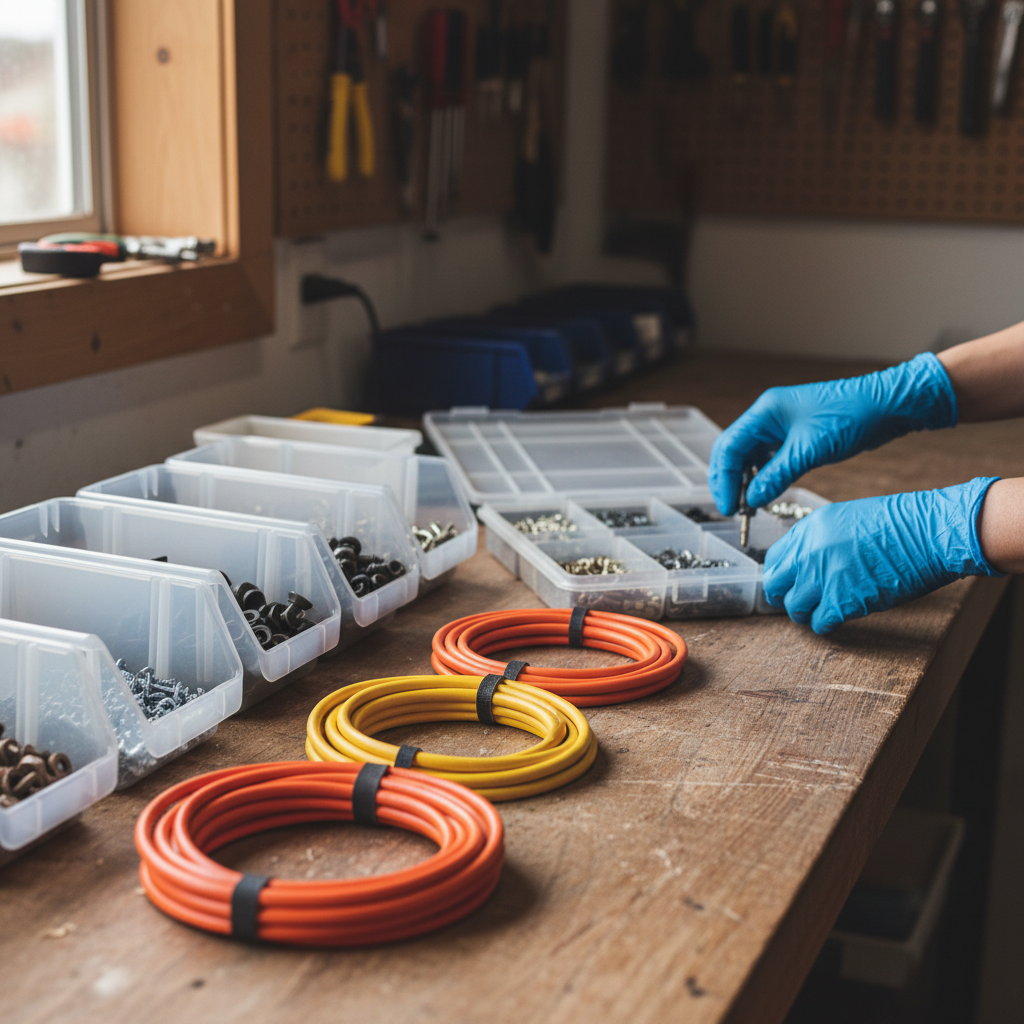
Methods and approaches that actually work
Strong garage systems favor vertical storage, standardized containers, and clear zones near points of use. Keep heavy items low, light items high, and daily gear within arm’s reach. Fewer categories and identical bins minimize decision fatigue and make maintenance simple.
Zone planning you can keep
- Snow and safety gear live within 10 seconds of the main door for winter mornings.
- Yard tools hang by the exterior wall closest to the lawn; mount at 48–60 inches for easy reach.
- Sports bins stack near the car-side exit; label fronts for fast grabs during school runs.
- Tools and small parts stay at the workbench with pegboard outlines for most-used items.
Vertical-first, floor-last
- Pegboards for hand tools reduce drawer digging and keep silhouettes visible.
- Rail systems corral rakes, shovels, hoses, and cords—long items that usually trip people.
- Ceiling racks capture light, bulky items—camping gear, coolers—above hood height for safety.
Container discipline
- Pick one primary bin size so stacks align; add one smaller size only if needed.
- Choose latching lids and clear sides for dust control and quick scanning.
- Use desiccant packs with keepsakes; store them on mid-level shelves (not the floor).
Borrow ideas from inside the home. Closet-style standardization—same bin size, same labeling—translates perfectly to the garage and reduces visual noise. For inspiration on standardizing storage, see this helpful overview of closet organization systems. Apply the same logic to wall rails and shelves in the garage for a unified look.
Best practices to prevent rebound clutter
Lock in habits that make clutter hard to create: cap categories, set a one-in/one-out rule, and schedule seasonal resets. Keep a donations bin by the door and line up pickups or drop-offs so outflow happens automatically instead of piling up again.
- One-in/one-out: if a new tool or toy enters, an old or duplicate leaves.
- Category caps: limit to 4–6; more categories slow decisions and tidy time.
- Exit logistics: keep a donations bin and a monthly “recycling day” reminder on your phone.
- Safety audits: quarterly 5-minute check of wall anchors, frayed cords, and chemical lids.
- Winter mode: stage salt, shovel, and traction aids within arm’s reach for icy mornings.
Consider adding a mini-mudroom at the garage entry—hooks, a bench, and closed cabinets—to intercept clutter before it spreads. For layout ideas that translate well to garage entryways, browse this guide to mudroom cabinet storage and adapt the concepts to your space.
Tools and resources (what you’ll actually use)
You need fewer tools than you think: a stud finder, impact driver, wall rails, two shelf types, and stackable bins cover most garages. Add PPE—gloves, mask, safety glasses—and a tarp set for fast sorting without making a bigger mess.
- Layout: tape measure, stud finder, and painter’s tape to mark zones at 36-inch walkways.
- Mounting: impact driver, 2.5–3 inch wood screws, washers, and concrete anchors if mounting to masonry.
- Storage: 18–24 inch-deep shelves, wall tracks, heavy-duty hooks, ceiling racks (keep 18 inches from open garage door).
- Containers: clear stackable bins with latching lids; 18–20 gallons for general gear; smaller for parts.
- Safety: nitrile gloves, P100 mask for dust, safety glasses, and a step ladder with 3-point contact.
- Disposal: sort metals, cardboard, and electronics for proper recycling streams; reserve a bin for household hazardous items.
When sorting scrap metal, appliances, or mixed materials, review community-friendly guidance on household items for recycling. Pair this with your city’s rules so donations and drop-offs happen the same week you declutter—an essential step for keeping the floor clear.
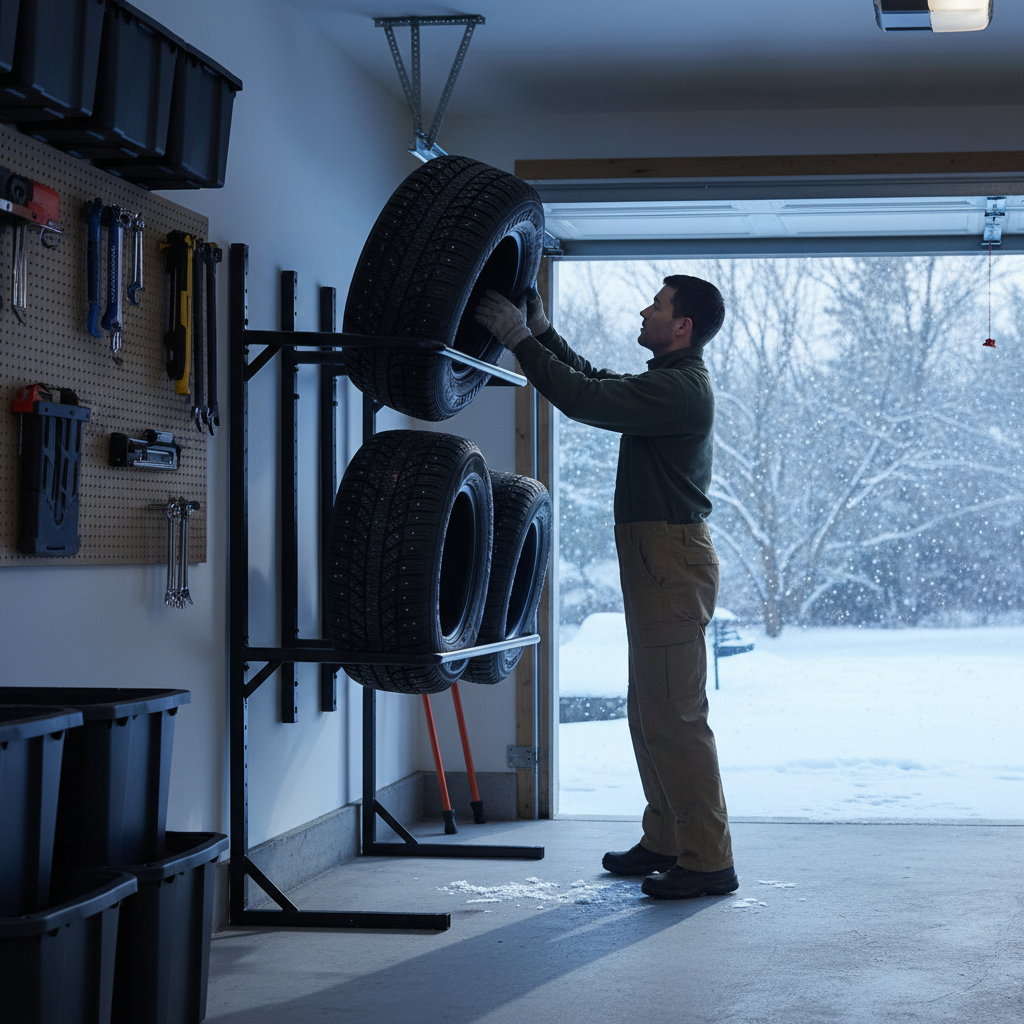
Real-world examples from Saskatoon homes
Small changes deliver big wins: lifting gear to walls, standardizing bins, and scheduling micro-resets. In our Saskatoon projects, these three moves consistently free a parking bay, cut search time, and make winter access safer for families, renters, and seniors.
Busy family of four: Sports gear was swallowing the floor. We installed a wall rail and 24-inch shelves, standardized 20-gallon bins, and built a “drop zone” near the interior door. Floor clearance increased by roughly 90 square feet and the car fit indoors before the first snow.
Between-tenant reset: A rental garage held paint cans, e-waste, and mystery boxes. We isolated hazards for safe disposal, deep-cleaned high-dust corners, and staged a simple two-shelf + rail system so the next resident started organized on day one.
Seniors’ bungalow: Trip risks came from cords and low boxes. We raised storage to waist height, anchored shelves into studs, improved lighting, and moved ice melt to the door. Clear pathways and better visibility reduced daily strain immediately.
Local considerations for Saskatoon
- Winter staging: put shovels, traction grit, and extension cords within arm’s reach of the door for sub-zero mornings.
- Seasonal swap: rotate summer gear up high in October and bring down winter items; reverse in April to prevent pileups.
- Road salt control: add a boot tray and a stiff mat at the threshold; vacuum grit weekly to protect floors and tools.
Quick summary
Decluttering succeeds when you edit first, then organize. Use four piles, create 4–6 zones, lift gear to walls and ceilings, and schedule short resets. That combination protects safety, saves time every week, and keeps your car protected through Saskatoon winters.
Want help? Our owner-operated team pairs garage organizing with deep cleaning for dust and corners most people skip. With evening and weekend options, we fit projects into busy family calendars without disrupting your week.
Keep/Donate/Recycle/Dispose at a glance
Quick, consistent decisions prevent decision fatigue. Keep items used in 12 months, donate duplicates in good condition, recycle materials your city accepts, and dispose of hazards via official programs. Clear exits keep piles from reappearing.
| Decision | Rule of Thumb | Examples | Action |
|---|---|---|---|
| Keep | Used within 12 months | Snow shovel, everyday tools | Store in zones at arm height |
| Donate | Duplicates, still good | Extra balls, spare rakes | Schedule pickup this week |
| Recycle | Material accepted locally | Cardboard, scrap metal | Sort per city rules |
| Dispose safely | Hazardous/expired | Old fuel, pesticides, lithium cells | Use official programs |
Frequently Asked Questions
What’s the fastest way to start decluttering a very full garage?
Clear a single 4-foot path from door to door, then set four tarps for keep/donate/recycle/trash. Work in 15-minute sprints with a timer and stop after you fill one donations bin. Quick wins build momentum for larger zones.
How do I store chemicals and fuel safely in the garage?
Use approved containers with tight lids, keep them off the floor and away from ignition sources, and never store near a water heater or furnace. Follow your municipality’s hazardous-waste rules and use official drop-off programs for disposal.
What shelving works best for heavy items like paint or tools?
Choose metal or heavy-duty resin shelves rated 200–800 pounds per shelf and anchor uprights to studs. Keep the heaviest bins on the lowest tier and maintain 36 inches of walkway clearance along main paths.
How do I keep clutter from coming back?
Set a one-in/one-out rule, keep a donations bin near the door, and add a 10-minute Sunday reset to your calendar. A seasonal 45-minute tune-up in fall and spring maintains categories and floor clearance.
Mid-project help, on your schedule: Prefer an extra set of hands? HAARSH KLEAN offers garage organizing with deep cleaning, move-in/move-out resets, and evening or weekend availability. We bring all supplies, work one-on-one, and back results with a satisfaction guarantee.
Conclusion and next steps
Edit first, then organize. Standardize containers, lift gear to walls and ceilings, and schedule short resets. These moves consistently free parking space, improve winter safety, and keep tools findable—results we deliver for Saskatoon homeowners every week.
Key takeaways
- Edit volume on Day 1; install storage and reset floors on Day 2.
- Cap categories at 4–6 and standardize bin sizes for faster tidying.
- Maintain 36-inch walkways; anchor tall shelves to studs.
- Stage winter gear within 10 seconds of the door for sub-zero mornings.
- Schedule a 10-minute Sunday reset and seasonal 45-minute tune-ups.
Action steps
- Block your 2-session weekend on the calendar and gather supplies.
- Set four tarps and start with a 4-foot path.
- Measure walls, plan rails and shelves, and lift gear off the floor.
- Schedule donations and recycling the same week you declutter.
- Book HAARSH KLEAN if you want a one-on-one partner to accelerate the work.
Ready to reclaim your garage? If you’re in Saskatoon, book a friendly, no-pressure chat. We’ll map zones, handle the heavy lifting, and leave you with a safer, cleaner space. Evening and weekend slots available.
HAARSH KLEAN
Need help keeping your home clean?
Book professional residential cleaning in Saskatoon and surrounding areas. Same cleaner, personal service, and a clean home you can actually enjoy.
Get Free Quote